

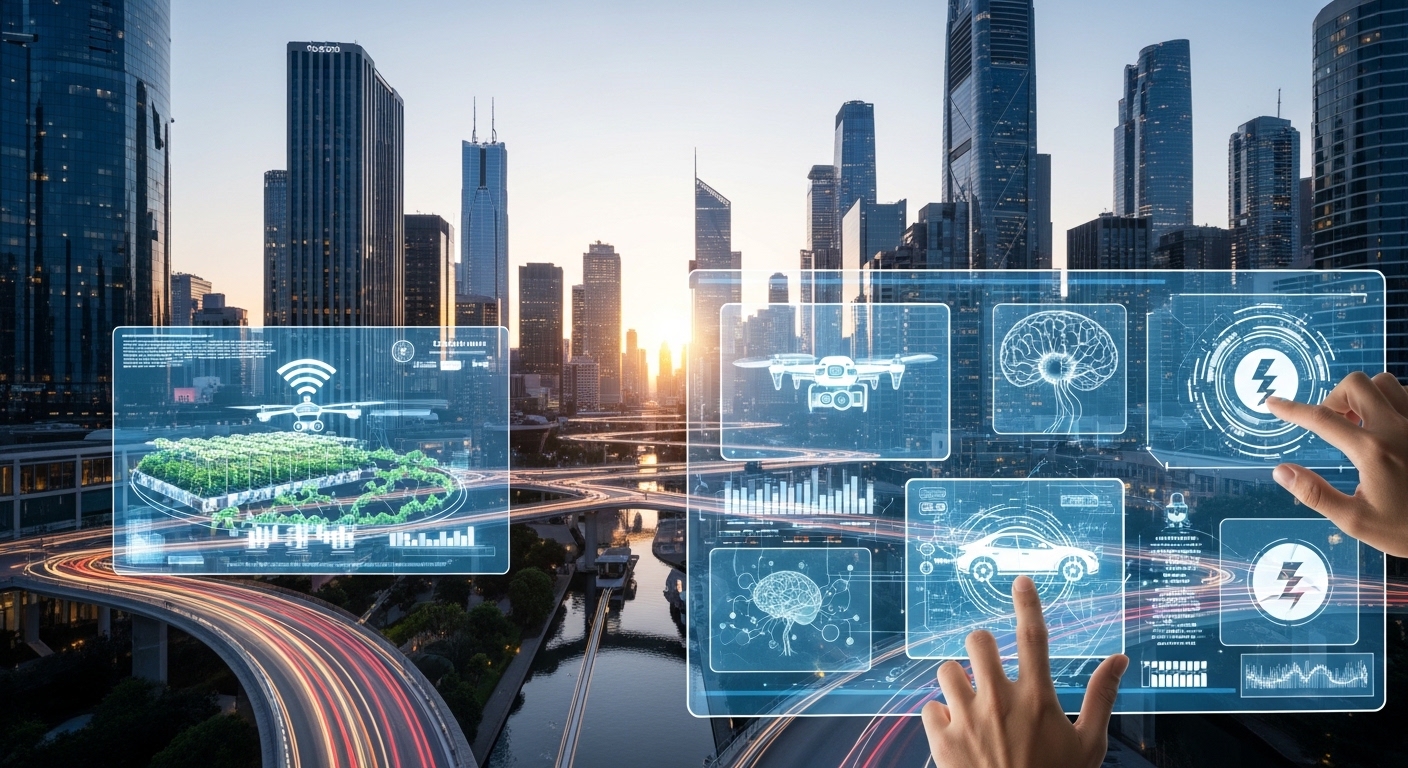
Technology in 2026 is evolving faster than ever, driven by artificial intelligence, cybersecurity threats, cloud computing expansion, and rapid innovation in digital infrastructure. Governments and tech companies are racing to build safer, smarter, and more autonomous systems. Recent updates highlight breakthroughs in AI cybersecurity, Android privacy improvements, and global competition in advanced computing technologies shaping the digital future worldwide.
Artificial Intelligence and Global Tech Developments
AI-Powered Cybersecurity Revolution
Artificial intelligence is now central to cybersecurity systems, helping detect threats, patch vulnerabilities, and respond to cyberattacks in real time. Governments and tech companies are deploying AI models to strengthen digital defense, while also facing risks from AI-powered hacking tools used by cybercriminals globally today.
Global AI Competition Among Tech Giants
Big tech companies are investing heavily in AI infrastructure, including advanced chips, cloud systems, and large-scale data centers. This competition is accelerating innovation in automation, enterprise software, and consumer technology while reshaping global digital economies and increasing demand for AI-powered services worldwide today.
Agentic AI and Autonomous Systems Growth
New “agentic AI” systems are being developed to perform complex tasks independently, including software development, security monitoring, and business automation. These systems are changing how industries operate, but they also raise concerns about governance, safety, and control over autonomous decision-making technologies globally today.
AI in Government and Defense Systems
Governments are increasingly adopting AI for national security, cybersecurity defense, and intelligence operations. Advanced AI tools are being used to detect cyber threats and strengthen infrastructure protection, while also raising debates about regulation and ethical use in military and surveillance systems worldwide today.
AI-Driven Software and Development Tools
Software development is being transformed by AI tools that can write, test, and optimize code automatically. Developers are shifting toward AI-assisted workflows, improving speed and efficiency while reducing manual effort in building complex digital systems and applications across industries globally today.
Cybersecurity and Digital Threat Updates
Rise of AI-Powered Cyberattacks
Cybercriminals are now using AI to create smarter phishing attacks, malware, and automated hacking systems. These attacks adapt in real time, making traditional security systems less effective and increasing global risks for governments, companies, and individuals in the digital world today.
Global Data Breach and Privacy Risks
Data breaches are increasing due to weak security systems and advanced cyber threats. Organizations are investing in encryption, identity protection, and AI-based monitoring tools to secure sensitive information and protect users from digital fraud and identity theft worldwide today.
Zero-Trust Security Model Expansion
Companies are adopting zero-trust security frameworks that verify every access request instead of trusting internal networks. This model improves cybersecurity resilience against external and internal threats in highly connected enterprise systems across global digital infrastructure today.
Mobile and Device Security Improvements
Smartphones and devices are receiving stronger privacy controls, including app permission tracking, encrypted storage, and real-time malware detection. These updates help users maintain control over personal data and reduce exposure to cyber threats in everyday digital usage worldwide today.
Cloud Security and Enterprise Protection
Cloud platforms are becoming essential for businesses, but also attractive targets for cyberattacks. Companies are strengthening cloud security systems with AI monitoring, multi-layer encryption, and automated threat detection to ensure safe digital operations globally today.
Hardware and Computing Innovation
Next-Generation Chip Technology
Semiconductor companies are developing advanced chips that deliver higher performance, lower energy consumption, and better AI processing capabilities. These chips power smartphones, data centers, and supercomputers, enabling faster innovation across global digital industries today.
Quantum Computing Progress
Quantum computing research is advancing, offering potential solutions to complex problems in cryptography, medicine, and financial modeling. Although still emerging, it represents a major shift in future computing power and technological capability worldwide.
High-Performance Computing Systems
High-performance computing systems are supporting AI training, scientific research, and enterprise data analysis. These systems are essential for processing massive datasets and enabling innovation in industries requiring advanced computational power globally today.
Smart Device Ecosystem Expansion
Smart devices are becoming more interconnected, forming intelligent ecosystems across homes, workplaces, and cities. These systems improve automation, convenience, and efficiency through seamless device communication and AI-driven functionality worldwide today.
Wearable Technology Innovation
Wearable devices now include advanced health monitoring, fitness tracking, and AI-powered insights. These technologies help users manage wellness, track performance, and receive personalized recommendations based on real-time biometric data.
Internet, Connectivity, and Digital Infrastructure
5G Expansion and 6G Research
5G networks are expanding globally while 6G development is underway, promising faster speeds, ultra-low latency, and improved connectivity for smart cities, autonomous systems, and advanced digital communication networks worldwide today.
Satellite Internet Growth
Satellite internet services are improving global connectivity, especially in remote and rural areas. These systems are helping bridge the digital divide and providing reliable internet access worldwide today.
Edge Computing Development
Edge computing is reducing latency by processing data closer to users instead of centralized servers. This improves performance for AI applications, IoT devices, and real-time analytics systems globally today.
Internet Privacy and Security Upgrades
Internet platforms are strengthening privacy through encryption, secure protocols, and better data control systems. These improvements aim to increase user trust and reduce cyber risks across digital ecosystems worldwide today.
IoT Connectivity Expansion
The Internet of Things is growing rapidly, connecting smart homes, vehicles, and industrial systems. This expansion improves automation, data collection, and intelligent decision-making across global digital infrastructure today.
Software and Digital Platform Trends
Operating System AI Integration
Modern operating systems are integrating AI to improve personalization, automation, and system performance. These features help devices learn user behavior and optimize digital experiences automatically across platforms worldwide today.
Cloud Computing Expansion
Cloud computing continues to grow as businesses adopt scalable, flexible, and secure digital infrastructure. It supports global digital transformation and enables remote access to enterprise systems worldwide today.
Automation and Productivity Tools
AI-powered automation tools are improving productivity by handling repetitive tasks, analyzing data, and optimizing workflows. Businesses are using these systems to increase efficiency and reduce operational costs globally today.
Cross-Platform Application Growth
Developers are building applications that work across multiple devices and operating systems. This approach improves accessibility, reduces costs, and enhances user experience in the global software industry today.
Open Source Software Expansion
Open-source platforms are driving innovation through global collaboration, allowing developers to contribute, share, and improve software systems across industries and digital ecosystems worldwide today.
Future Technology Outlook
AI-Driven Digital Economy
Artificial intelligence will continue shaping global industries through automation, decision-making systems, and intelligent services, transforming how businesses operate worldwide in the future.
Human-AI Collaboration Growth
Future workplaces will involve deeper collaboration between humans and AI systems, improving productivity, creativity, and efficiency across industries globally.
Smart Cities Expansion
Smart cities will use AI, sensors, and connected infrastructure to improve transportation, safety, and urban planning worldwide.
Cybersecurity Evolution
Cybersecurity will evolve with AI-driven defense systems to counter increasingly advanced digital threats globally.
Continuous Digital Transformation
Technology will continue reshaping economies and societies through ongoing digital transformation across all industries worldwide.
FAQs
What is the biggest technology trend in 2026?
Artificial intelligence and cybersecurity are the biggest technology trends.
Why is AI important in technology updates?
Because it drives automation, innovation, and digital transformation.
What are agentic AI systems?
They are AI systems that can perform tasks independently.
How is cybersecurity changing?
It is becoming more advanced due to AI-powered threats.
What is shaping future technology?
AI, quantum computing, and digital infrastructure are key drivers.
Conclusion (60 words)
Technology updates in 2026 highlight rapid innovation in artificial intelligence, cybersecurity, computing hardware, and digital infrastructure. As AI becomes more powerful, industries are transforming toward automation, connectivity, and intelligent systems. While opportunities are expanding, cyber risks are also increasing. The future of technology will depend on balancing innovation, security, and ethical development to build a smarter digital world globally.