

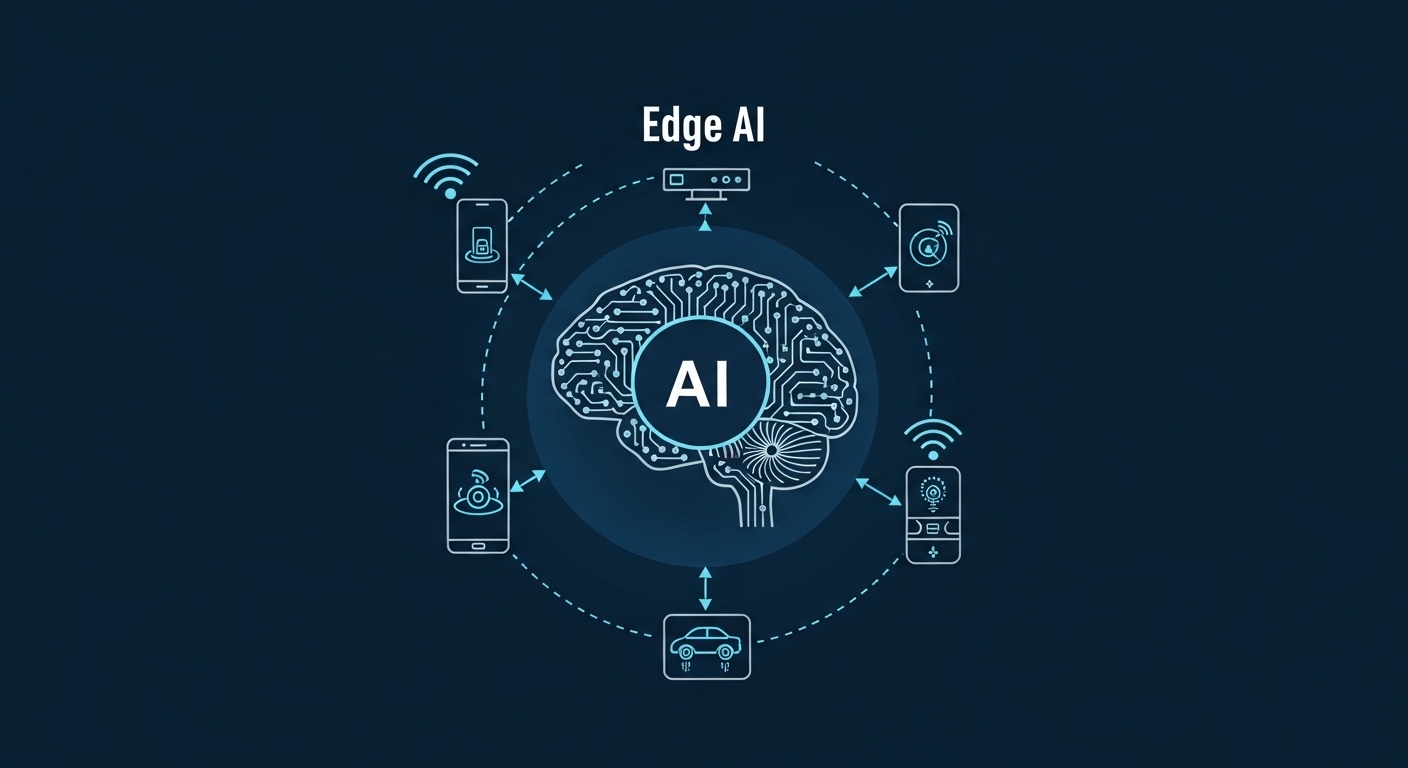
Artificial intelligence is rapidly reshaping the future of technology, business, and daily life. In 2026, AI is no longer limited to experimental tools—it is becoming a core part of global systems across industries. From automation and decision-making to creativity and robotics, AI trends are driving a major transformation in how humans work, communicate, and innovate worldwide.
Autonomous AI Systems Evolution
Agentic AI Growth
Agentic AI refers to systems that can independently plan, decide, and execute tasks without constant human input. These advanced models are being used in business operations, customer support, and workflow automation, improving efficiency and reducing manual workload across industries globally.
Self Learning Machine Systems
Modern AI systems are improving through continuous learning from real-world data. These self-learning models adapt over time, making them more accurate in predictions, recommendations, and decision-making across healthcare, finance, and technology sectors.
AI Decision Automation
AI is increasingly handling complex decision-making tasks such as risk analysis, supply chain optimization, and financial forecasting. This reduces human error and increases speed in business operations and public systems.
Autonomous Digital Workers
AI-powered digital agents are now functioning like virtual employees, managing emails, scheduling, data processing, and customer interactions with minimal supervision in corporate environments.
Real Time Adaptive AI
AI systems are becoming more responsive to real-time changes, allowing dynamic adjustments in applications such as traffic systems, financial markets, and smart cities.
Generative AI Expansion
Content Creation Revolution
Generative AI is transforming how content is produced by creating text, images, videos, music, and code at scale. This is reshaping industries like marketing, entertainment, and education.
AI Powered Design Tools
Design platforms now use AI to generate logos, graphics, and user interfaces automatically, speeding up creative workflows for professionals and businesses.
Synthetic Media Development
AI-generated media, including realistic avatars and deepfake technology, is expanding rapidly, raising both creative opportunities and ethical challenges.
Automated Software Development
AI tools are now capable of writing and debugging code, helping developers build applications faster and more efficiently.
Personalized Content Systems
AI systems are tailoring content for individual users based on preferences, behavior, and interaction history across digital platforms.
AI In Business Transformation
Intelligent Business Automation
Companies are using AI to automate operations such as finance, logistics, marketing, and human resources, improving productivity and reducing operational costs.
Predictive Business Analytics
AI models analyze historical and real-time data to forecast market trends, customer behavior, and financial outcomes with high accuracy.
AI Customer Experience Systems
Businesses are using AI chatbots and recommendation engines to improve customer support, personalization, and engagement.
Supply Chain Optimization AI
AI improves logistics by predicting demand, managing inventory, and reducing delays in global supply networks.
AI Driven Strategy Planning
Organizations are using AI insights to guide long-term business strategy and investment decisions.
Robotics And Physical AI Systems
Humanoid Robot Advancement
Humanoid robots are being developed for industries like healthcare, manufacturing, and customer service, performing complex human-like tasks.
Industrial Automation Robots
Factories are increasingly using AI-powered robots for production, assembly, and quality control processes.
Service Robotics Expansion
Robots are being used in hotels, hospitals, and retail environments for delivery, cleaning, and assistance services.
Autonomous Vehicle AI
Self-driving cars, drones, and delivery robots rely on AI systems for navigation, safety, and real-time decision-making.
Human Robot Collaboration
AI systems are designed to work alongside humans in shared environments, improving productivity and workplace safety.
AI In Healthcare Innovation
AI Medical Diagnostics
AI is improving disease detection by analyzing medical images, lab results, and patient data faster than traditional methods.
Personalized Treatment Systems
Healthcare is shifting toward AI-driven personalized medicine based on genetic data and patient history.
AI Drug Discovery
AI accelerates pharmaceutical research by simulating molecular interactions and identifying potential treatments faster.
Remote Health Monitoring
Wearable devices powered by AI track patient health in real time and alert doctors to potential issues.
Mental Health AI Support
AI-based platforms are providing mental health support through chatbots, therapy recommendations, and wellness tracking.
AI Ethics And Regulation
Responsible AI Development
Governments and organizations are focusing on creating ethical frameworks to ensure safe and fair AI usage.
Bias Reduction In AI Models
Efforts are being made to reduce bias in AI systems to ensure equal and fair decision-making outcomes.
AI Transparency Standards
Companies are adopting transparent AI systems that explain how decisions are made to build trust among users.
Data Privacy Protection
AI systems are being designed with stronger privacy controls to protect user data and prevent misuse.
Global AI Governance
International cooperation is increasing to regulate AI development and ensure responsible global deployment.
Future AI Innovations
Artificial General Intelligence Research
Research is progressing toward AGI systems that could perform any intellectual task a human can do.
AI Powered Smart Cities
Cities are integrating AI to manage traffic, energy, security, and public services more efficiently.
Emotional AI Systems
AI is being developed to recognize and respond to human emotions for better interaction and support.
AI In Education Systems
Education platforms are using AI to create personalized learning experiences and adaptive teaching methods.
Quantum AI Integration
Future AI systems may combine quantum computing with machine learning to solve complex global problems.
Conclusion
Top artificial intelligence trends show a powerful shift toward autonomous systems, generative creativity, and intelligent automation. AI is transforming industries, improving human productivity, and reshaping global systems. As innovation continues, the future will be defined by more advanced, ethical, and deeply integrated AI technologies that influence every aspect of life and work worldwide.