

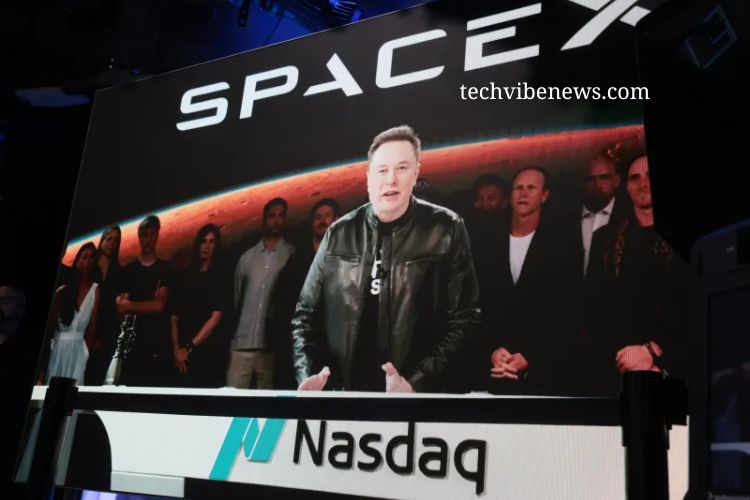
SpaceX, Elon Musk’s revolutionary aerospace company, has attracted worldwide attention after new details revealed that several overseas investors acquired stakes in the private rocket company before its highly anticipated initial public offering (IPO). Among those investors were individuals connected to Chinese military-linked contractors and entities associated with the Qatari royal family.
The revelations have intensified discussions about foreign investment in companies involved in sensitive U.S. defense projects. SpaceX plays a crucial role in America’s national security infrastructure by developing advanced rockets, launching military satellites, and supporting Pentagon missions. As a result, questions surrounding who owns portions of the company have become increasingly significant.
Read More: The Rising Star: Ali Ahmad Azaizeh and the Future of Jordanian Football
Foreign Investors Gained Access Through Private Funds
Newly revealed investor records show that multiple individuals and entities from China, Hong Kong, and Russia purchased SpaceX shares between 2018 and 2021. These investments were made through a U.S.-based intermediary firm, Tomales Bay Capital, which specialized in acquiring SpaceX shares and offering them to private investors.
The investments varied widely, ranging from approximately $800,000 to $40 million. Although these stakes represented only small portions of SpaceX ownership, they provided investors with exposure to one of the world’s most valuable private companies.
The disclosure of these investments has raised concerns because SpaceX operates in industries closely linked to national security, advanced technology, and government contracts.
Concerns Over Chinese Investment in Sensitive Technology
One of the notable investors identified in the records was an entity connected to David Su, co-founder of Beijing-based venture capital firm MPCi. According to the documents, Su’s investment group contributed approximately $15 million to a SpaceX fund in 2020.
Su has been involved in the broader aerospace investment sector and has supported several Chinese space technology companies. Some companies connected to his investment activities later faced U.S. government sanctions due to allegations involving international security concerns.
MPCi has also collaborated with Chinese government-backed investment programs focused on developing the country’s aerospace industry. These connections have increased scrutiny over whether foreign investors could potentially gain access to valuable information related to SpaceX’s technology or business strategies.
However, there is currently no evidence that Su or his investment group engaged in improper activities or obtained confidential SpaceX information.
National Security Experts Highlight Potential Risks
Experts in foreign investment and national security have emphasized that the primary concern is not simply foreign ownership but whether investors could access sensitive, nonpublic information.
Foreign investors who maintain relationships with competing companies or government-linked organizations could potentially create conflicts of interest, especially in industries involving advanced technology and defense capabilities.
Despite these concerns, representatives from MPCi stated that David Su never received confidential information from SpaceX. The company also clarified that Su manages U.S. dollar investment funds separately and does not represent all activities under the MPCi brand.
Tomales Bay Capital also denied providing investors with sensitive SpaceX information. According to the firm, investors only received standard financial updates, including quarterly valuations, and did not receive technical details or private company strategies.
SpaceX Takes Precautions Ahead of IPO
As SpaceX prepared for its record-breaking IPO, the company reportedly restricted investors from China and Hong Kong from purchasing shares due to regulatory and compliance concerns.
The decision reflects growing pressure on technology companies to carefully evaluate foreign investment sources, particularly when their operations involve national security-related projects.
The IPO became a historic financial event, dramatically increasing Elon Musk’s wealth and strengthening SpaceX’s position as one of the most valuable companies in the world. Musk’s strong business connections with China through Tesla have also added complexity to discussions about foreign investment.
Tomales Bay Capital’s Role in Expanding SpaceX Ownership
Tomales Bay Capital played a major role in connecting private investors with SpaceX shares before the company became publicly traded. Led by investor Iqbaljit Kahlon, the firm purchased SpaceX stock, packaged it into investment funds, and sold portions of those funds to wealthy investors.
Kahlon maintained a close relationship with SpaceX leadership and had extensive knowledge of the company’s operations. Court documents revealed that he promoted SpaceX investment opportunities by highlighting potential access to company updates, business discussions, and meetings with executives.
Through these investment funds, hundreds of investors gained indirect ownership in SpaceX. Many names remained private until legal proceedings revealed additional details about the company’s ownership structure.
High-Profile Investors and Hidden Ownership Structures
The investor records included several recognizable names, including international business figures, political personalities, and wealthy individuals. Some investors were directly identifiable, while others appeared through corporate entities that made ownership difficult to trace.
One example involved HAL9001 Partners Fund I, a Delaware-based investment company that invested around $10 million in a SpaceX fund. The company’s documents listed venture capitalist Roman Sobachevskiy as a signer. Although questions emerged regarding his previous business connections, he has not been accused of wrongdoing related to the SpaceX investment.
The presence of investment vehicles and offshore companies highlights the challenges of identifying the ultimate owners behind private equity transactions.
Qatari Connections Add Another Layer of Interest
The investor records also revealed financial connections between SpaceX and Qatar-based investment groups. Bracket Capital, an investment firm operating across multiple countries, invested approximately $48 million in SpaceX through several transactions between 2017 and 2020.
Documents indicated that Bracket had received investment from members of the Qatari royal family, although the records did not confirm whether royal funds directly contributed to SpaceX investments.
Another entity connected to Qatar also appeared in the investment records, contributing millions of dollars to a SpaceX fund. These discoveries have increased interest in the company’s international investor network.
SpaceX’s Explosive Growth Creates Massive Returns
Although foreign investments represented only small ownership percentages, the financial gains from SpaceX’s rapid growth have been substantial.
The company’s valuation increased dramatically over recent years, rising from tens of billions of dollars to a multi-trillion-dollar valuation. Early investors who purchased shares before this growth benefited from extraordinary returns.
The investment controversy demonstrates how valuable access to private technology companies has become, especially in industries involving space exploration, artificial intelligence, and defense technology.
Frequently Asked Questions:
Did Chinese investors really acquire stakes in SpaceX before its IPO?
Yes, reports revealed that several investors connected to China, Hong Kong, and other regions acquired stakes in SpaceX while the company was still privately held. These investments were made through private investment funds before SpaceX’s anticipated public market debut.
Why are Chinese investments in access to SpaceX shares before the IPO?
Many investors purchased SpaceX shares through intermediary investment firms such as private funds that acquired company stock and later offered portions of those investments to outside investors.
Who was among the Chinese-linked investors in SpaceX?
One notable investor was an entity connected to David Su, co-founder of Beijing-based venture capital firm MPCi. The investment records showed participation in a SpaceX fund, although no evidence suggests improper activity.
Did Chinese investors receive confidential SpaceX information?
There is no confirmed evidence that Chinese investors obtained nonpublic SpaceX technology or business information. Representatives involved in the investments stated that investors only received standard financial updates and not sensitive company details.
What role does SpaceX play in U.S. national security?
SpaceX supports important U.S. government missions, including satellite launches and aerospace projects connected to defense operations. Its involvement in national security programs makes foreign investment oversight especially important.
Why did SpaceX restrict some foreign investors before its IPO?
SpaceX reportedly limited participation from investors in China and Hong Kong due to regulatory and compliance concerns. The decision reflected increased scrutiny over foreign ownership in strategically important technology companies.
Conclusion
The revelation that Chinese-linked investors and other international entities secured stakes in SpaceX before its highly anticipated IPO has raised important questions about foreign investment, transparency, and national security. While there is no confirmed evidence of misconduct or unauthorized access to sensitive information, the situation highlights the challenges companies face when balancing global investment opportunities with security concerns. SpaceX’s rapid growth and critical role in the aerospace industry have made it a highly valuable and strategically important company. As private technology firms continue expanding their influence in areas such as space exploration, defense, and advanced engineering, careful monitoring of ownership structures will become increasingly essential.