

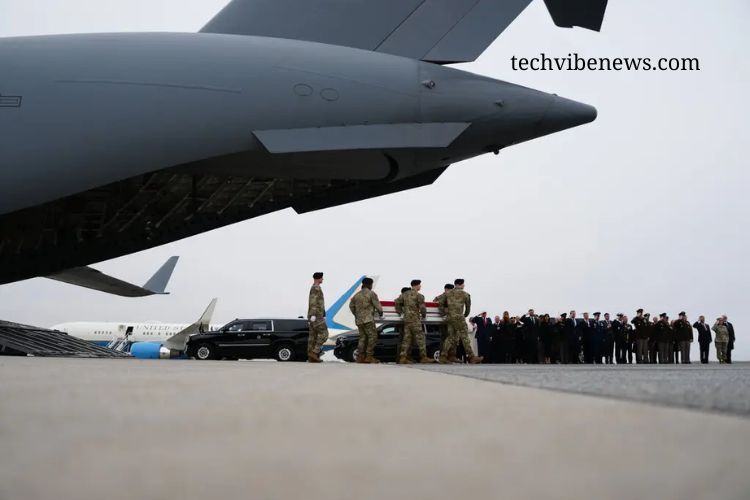
The Iran war, which lasted slightly more than 15 weeks, ended with a preliminary peace agreement between the United States and Iran. Although the ceasefire brought temporary relief, the conflict left behind a devastating legacy of human suffering, financial losses, and regional instability. The impact of the war extended far beyond the battlefield, affecting economies, communities, and international relations.
The conflict began on February 28 when the United States and Israel launched attacks against Iran, marking a dramatic escalation in tensions between the nations. Over the following months, military operations intensified, resulting in widespread destruction and heavy casualties. The short duration of the war did not prevent it from becoming one of the most costly modern conflicts in terms of lives lost and financial resources spent.
Read More: Big Tech Faces a Shocking Financial Blow as Record Borrowing Costs Surge After the Fed’s Major Move
A Fragile Peace Agreement Ends Months of Conflict
After weeks of intense fighting and growing pressure from both domestic and international communities, U.S. President Donald Trump announced a preliminary peace agreement with Iran. He revealed that he and Vice President JD Vance had electronically signed a document with Iranian representatives, officially marking the end of active hostilities.
The agreement represented a significant diplomatic development after months of military confrontation. However, it did not immediately resolve all disputes between the two nations. Instead, a 60-day negotiation period was established to address remaining issues and strengthen the terms of the peace deal.
The signing carried historical symbolism as President Trump later signed the agreement again at the Palace of Versailles in France. The location was notable because the same historic site hosted the treaty that ended World War I more than a century earlier. The choice highlighted the importance of diplomacy after a period of devastating conflict.
The Rising Human Cost of the War
The greatest cost of the Iran war was the loss of human lives. Thousands of civilians, military personnel, and emergency workers were affected as attacks spread across multiple locations. Reports estimated that approximately 3,500 Iranians were killed during the conflict, creating deep grief among families and communities.
Many victims were ordinary citizens caught in the middle of military operations. Airstrikes, missile attacks, and armed confrontations damaged residential areas, infrastructure, and essential services. Emergency responders also faced extreme risks while attempting to rescue survivors and provide medical assistance.
The war created a humanitarian crisis that extended beyond immediate casualties. Thousands of people were displaced from their homes, while many others struggled with injuries, trauma, and the destruction of their communities. The long-term emotional and social consequences are expected to continue for years.
The Economic Burden of the Conflict
Beyond the tragic loss of life, the Iran war created a massive financial burden. The United States alone faced estimated costs of around $132 billion, including military operations, weapons deployment, logistical support, and other expenses connected to the conflict.
Military conflicts often create economic challenges that continue long after fighting stops. Governments must spend additional resources on rebuilding, supporting affected communities, and managing the consequences of war. The financial impact can influence national budgets, economic priorities, and public spending.
For Iran, the economic damage was also severe. Military strikes affected infrastructure, disrupted industries, and placed additional pressure on an already struggling economy. Businesses, transportation networks, and energy facilities faced major challenges as instability increased.
The financial consequences of the war were not limited to the countries directly involved. Global markets also experienced uncertainty as investors reacted to rising tensions in one of the world’s most strategically important regions.
Regional Damage and International Effects
The Iran war created serious consequences throughout the Middle East. Neighboring countries experienced security concerns as the conflict threatened to spread beyond Iran’s borders. Military activity increased fears of a wider regional confrontation involving additional nations and armed groups.
Energy markets were particularly sensitive to developments during the conflict. Iran’s position in a major oil-producing region meant that any instability could affect global energy supplies. Rising uncertainty contributed to concerns about fuel prices, trade disruptions, and economic challenges worldwide.
International organizations and world leaders closely monitored the conflict, urging negotiations and peaceful solutions. The war highlighted the challenges of balancing national security interests with the need to prevent humanitarian disasters.
The Long Road Toward Recovery
Although the peace agreement ended active fighting, rebuilding will require significant effort. Recovering from a major conflict involves more than repairing physical damage. Communities must also address psychological trauma, restore public services, and rebuild trust among affected populations.
For families who lost loved ones, the end of the war does not erase the pain caused by months of violence. Survivors must adapt to a new reality while governments face the responsibility of supporting recovery efforts.
Economic recovery will also be a major challenge. Restoring damaged infrastructure, encouraging investment, and rebuilding industries will require cooperation between governments and international partners. The success of these efforts will depend on maintaining stability and preventing renewed conflict.
Lessons From the Iran War
The Iran war serves as a reminder of the enormous costs associated with military confrontation. While political disputes may begin at the government level, ordinary people often experience the greatest consequences. The thousands of lives lost and billions of dollars spent demonstrate the heavy price of prolonged conflict.
The agreement between the United States and Iran offers an opportunity for diplomacy and cooperation. However, lasting peace will require continued negotiations, mutual commitments, and efforts to address the underlying issues that caused tensions.
History shows that ending a war is only the first step toward rebuilding. True peace depends on creating conditions where communities can recover, economies can grow, and future generations can avoid similar suffering.
Frequently Asked Questions:
What was the main cause of the Iran War?
The Iran War began due to escalating political and military tensions between Iran, the United States, and Israel. Disputes over security concerns, regional influence, and military strategies eventually led to direct attacks and a wider conflict.
How long did the Iran War last?
The conflict lasted for slightly more than 15 weeks before a preliminary peace agreement was reached. Despite its relatively short duration, the war caused significant human suffering and economic damage.
How many people lost their lives during the Iran War?
Thousands of people were killed during the conflict, including civilians, military personnel, and emergency workers. The estimated death toll reached around 3,500 Iranians, highlighting the severe humanitarian impact of the war.
What was the estimated financial cost of the Iran War?
The United States’ expenses related to the war were estimated at approximately $132 billion. These costs included military operations, weapons, logistics, and other resources required during the conflict.
How did the war affect ordinary civilians?
Civilians faced the greatest consequences of the conflict. Many people lost family members, homes, and access to essential services due to attacks, destruction, and widespread instability.
What impact did the Iran War have on the global economy?
The war created uncertainty in international markets, especially energy markets. Because Iran is located in a strategically important oil-producing region, the conflict raised concerns about fuel supplies, trade, and economic stability.
Did the Iran War cause damage beyond Iran and the United States?
Yes, the conflict affected the wider Middle East by increasing security concerns and creating fears of a larger regional confrontation. Neighboring countries faced political, economic, and humanitarian challenges.
Conclusion
The Iran War left behind a devastating legacy of human suffering, economic losses, and regional uncertainty. Thousands of lives were lost, communities were disrupted, and billions of dollars were spent on a conflict that created lasting consequences beyond the battlefield. While the peace agreement marked an important step toward stability, the difficult process of recovery and rebuilding remains ahead. The true cost of war cannot be measured only through financial figures or military outcomes; it is also reflected in the lives affected, families separated, and communities struggling to heal. Moving forward, continued diplomacy, cooperation, and commitment to peaceful solutions will be essential to preventing future conflicts and creating a more secure world.