

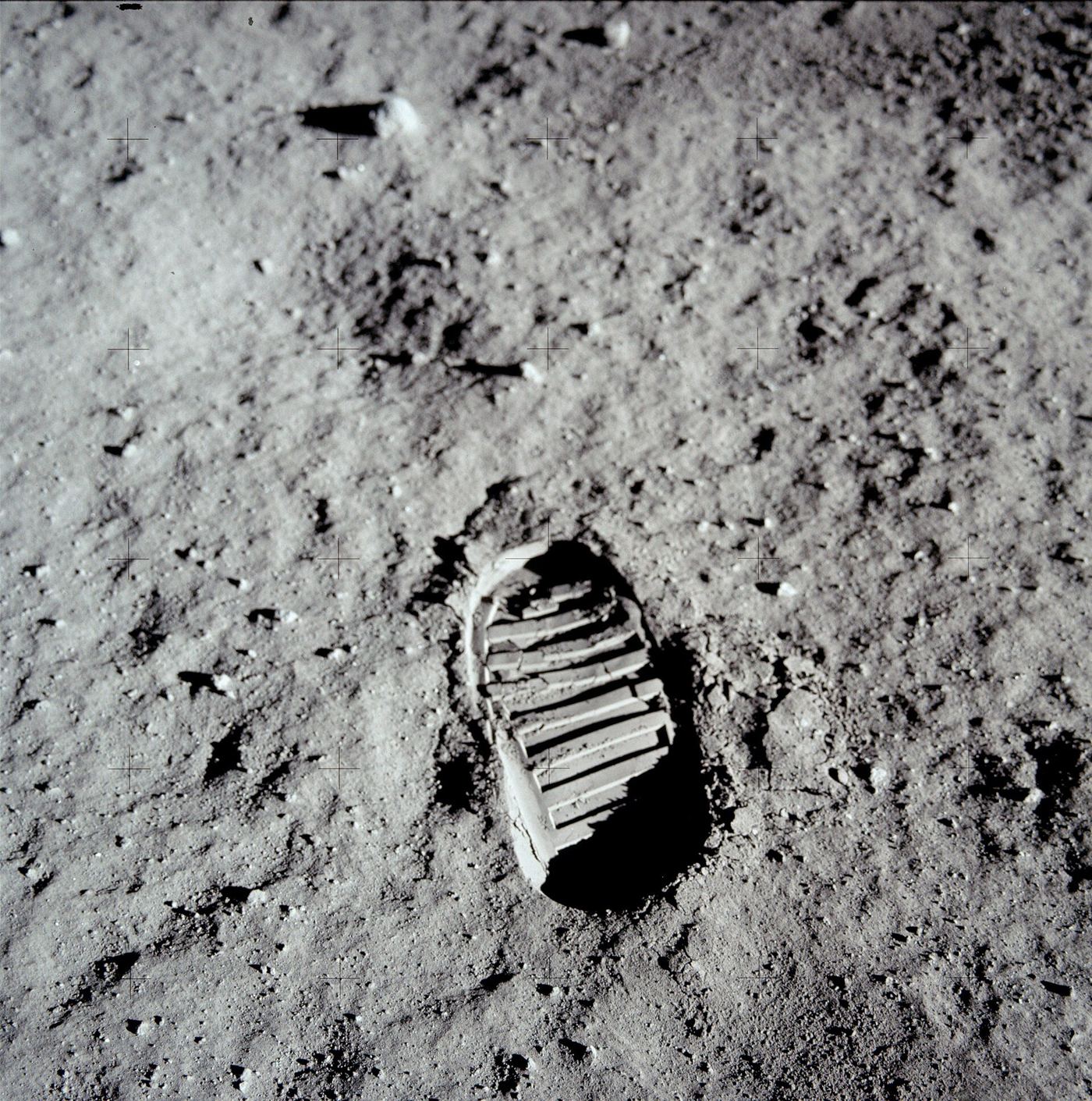
The face of the Moon is a history book written in craters. With no wind, rain or plate movement to erase them, impact marks remain visible for billions of years, overlapping one another in a layered record of collisions. By counting craters of different sizes on a given surface, scientists can estimate how old that surface is: the more crowded the craters, the longer the ground has been exposed to impacts. This simple idea, tested against Moon rocks brought back by astronauts, now helps researchers date landscapes across the solar system, including on Mars and Mercury where no samples have yet been collected. Craters also make practical landmarks. Sample-return planners find them equally valuable, because material thrown out by an impact can include fragments blasted from far away, offering a shortcut to studying regions no lander has visited directly with its own instruments and cameras so far.
What the Evidence Shows
Modern lunar orbiters photograph craters in extraordinary detail, revealing terraced walls, central peaks and blankets of ejected rock. Small fresh craters appear between surveys, showing that the bombardment continues today at a gentle pace. Studying crater shapes also reveals what lies beneath the surface, because an impact digs into buried layers and scatters their material across the surroundings. Citizen science projects invite the public to help count and classify craters in these images, speeding work that would take professionals far longer alone. Each careful count sharpens the timeline of the early solar system, when impacts were far more frequent and violent. There is a quieter pleasure in crater watching too. Through a small telescope, the shadows along the Moon’s terminator pick out crater rims in sharp relief, and the same formations recorded by early astronomers centuries ago are still there, essentially unchanged. Few sights connect a backyard observer so directly to deep time. Reporting and analysis from sources such as Nature track the same developments, and specialists following lunar crater record say the direction is now consistent across independent lines of evidence.
The Wider Context
The wider context is a research landscape in which replication and open data now decide reputations. Findings connected to lunar crater record are being checked by independent groups with shared datasets, and the teams involved publish their methods in full so rivals can test every step. That discipline is slower than a headline cycle, but it is why results in this area increasingly survive first contact with scrutiny.
What Happens Next
What happens next in the story of lunar crater record will be decided by follow-up work already under way: larger samples, longer observation and instruments that have not yet come online. The researchers involved are unusually united on one point, that the current results justify the next investment of time and money. Readers will not have to wait long for the first tests of that claim. You can follow related developments in our coverage of science.
None of this will be settled by a single announcement, study or product launch. The pattern to watch is accumulation: independent confirmations, honest reporting of failures and steady improvement in the underlying numbers. Readers who follow those signals, rather than the loudest claim of the week, will understand this subject better than most of the commentary surrounding it suggests is possible.
