

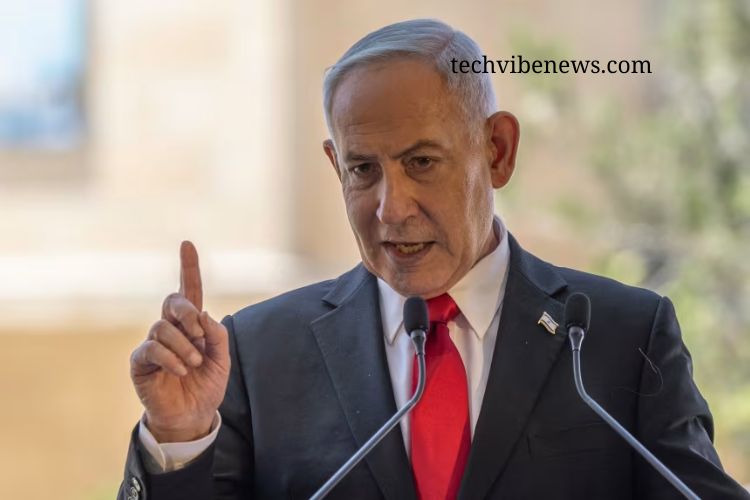
Israeli Prime Minister Benjamin Netanyahu has taken an unusually firm position on US President Donald Trump’s proposed roadmap for advancing the Gaza ceasefire agreement. Instead of relying on vague language or delaying a difficult decision, Netanyahu openly rejected the 15-point document and made his position unmistakably clear.
The decision carries serious political risks. Publicly challenging Trump could create tensions between the two leaders at a sensitive moment. However, Netanyahu appears to have calculated that the domestic political consequences of accepting the proposed Gaza plan could be even more damaging.
With Israel’s general election approaching, Netanyahu faces pressure from both his political opponents and far-right coalition partners. His latest stance on Gaza therefore reflects more than foreign policy. It also represents a calculated effort to protect his political position at home.
Read More: Mamdani Shocks Allies as He Makes a Bold, High-Stakes Bet on Congress and the Left
Netanyahu Takes a Firm Position on Trump’s Gaza Plan
Netanyahu has often approached difficult political questions cautiously. On complicated issues, leaders frequently leave room for negotiation by using carefully worded statements. This approach allows them to change direction if circumstances later shift.
This time, however, Netanyahu chose a much more direct strategy.
During a recent Israeli Cabinet meeting, he clearly stated that Israel does not accept Trump’s 15-point document. He repeated the message to eliminate any uncertainty about his government’s position.
His statement placed the Israeli leader in a potentially uncomfortable position. Trump has invested significant political capital in efforts to secure progress on Gaza, and Netanyahu’s rejection could frustrate the US president.
Yet Netanyahu appears willing to accept that risk.
The central disagreement involves the proposed relationship between Hamas disarmament and an Israeli military withdrawal from Gaza. Trump’s broader roadmap reportedly envisions a process in which Hamas gives up its weapons while Israeli forces gradually withdraw.
Netanyahu, however, has drawn a hard line.
Israel Demands Complete Hamas Disarmament
Netanyahu insists that Israel will not withdraw its troops until Hamas has been completely disarmed. For the Israeli government, disarmament means eliminating the group’s heavy weapons, light weapons, and other military capabilities.
This position creates a major obstacle to the proposed ceasefire framework.
Supporters of the roadmap argue that a phased approach could allow both sides to make verifiable progress. Under such an arrangement, Hamas would surrender weapons while Israel would gradually withdraw troops as specific conditions were met.
Israeli officials remain deeply skeptical.
From Netanyahu’s perspective, allowing an Israeli withdrawal before Hamas fully surrenders its military capabilities could create significant security risks. His government fears that Hamas could use any withdrawal to rebuild its military infrastructure and regain strength.
The disagreement therefore goes beyond a technical dispute over the order of events. It reflects two fundamentally different approaches to Gaza’s future security.
Trump Faces a Difficult Political Test
Netanyahu’s decision also puts Trump in a challenging position.
The US president has made progress on Gaza an important part of his foreign-policy agenda. A successful agreement could provide Trump with a major diplomatic achievement, particularly after the difficulties surrounding his broader Middle East strategy.
Trump has promoted a framework focused on Hamas disarmament, Israeli security, and the eventual reconstruction of Gaza. His administration has also sought international support for the plan.
But Netanyahu’s rejection demonstrates how difficult it may be to turn the proposal into reality.
The Trump administration may attempt to persuade Israel to accept a phased arrangement. American officials could also push Hamas to demonstrate concrete progress before demanding significant Israeli concessions.
For now, however, Netanyahu’s position suggests that Israel will not accept a withdrawal process based solely on promises.
Hamas Responds to Netanyahu’s Rejection
Hamas has maintained that it remains committed to the broader roadmap. The group has also called on international mediators to pressure Netanyahu to follow the proposed framework.
That response highlights another major problem: neither side fully trusts the other.
Israel questions whether Hamas genuinely intends to surrender its weapons. Hamas, meanwhile, has little reason to trust that Israel would complete a withdrawal after Hamas begins disarming.
Weapons remain central to Hamas’ political and military position in Gaza. Giving them up could weaken the organization dramatically and leave its leadership vulnerable.
That makes complete disarmament an extremely difficult demand for Hamas to accept.
At the same time, Israel views Hamas’ continued possession of weapons as an unacceptable security threat.
The result is a dangerous stalemate in which every step requires one side to trust the other.
Netanyahu’s Election Strategy
Foreign policy alone does not explain Netanyahu’s hard-line approach.
Israel’s next general election is approaching, and domestic politics are playing an increasingly important role in his decision-making.
Netanyahu needs the support of right-wing and far-right political partners to maintain his governing coalition. These groups have strongly opposed measures that could limit Israel’s military freedom in Gaza.
By rejecting Trump’s roadmap publicly, Netanyahu sends a clear message to these voters and political allies.
He is effectively telling them that he will not accept an agreement that he believes could weaken Israel’s security position.
The timing is particularly significant. Netanyahu’s political future depends heavily on maintaining support among voters who favor a tough approach toward Hamas.
A softer position could give his opponents an opportunity to accuse him of making dangerous concessions.
His public rejection of the plan therefore serves two purposes: it establishes Israel’s negotiating position and reinforces his image as a leader unwilling to compromise on national security.
Why Netanyahu May Risk Trump’s Anger
At first glance, openly challenging Trump may appear politically dangerous.
The US remains Israel’s most important international ally, and Netanyahu has generally placed great importance on maintaining a strong relationship with Washington.
However, Netanyahu may believe that upsetting Trump carries fewer political consequences than angering his domestic supporters.
Trump can apply diplomatic pressure, but Netanyahu must ultimately answer to Israeli voters and coalition partners.
That makes the calculation particularly difficult.
If Netanyahu accepts a plan that his right-wing allies strongly oppose, he could face political instability at home. If he rejects Trump’s proposal, he risks creating friction with Washington.
Between those two choices, Netanyahu appears to have concluded that confronting Trump is the less damaging option.
This explains why his latest statement was so unusually direct.
Security Concerns Remain at the Center
The strongest argument behind Netanyahu’s position is security.
Israeli officials remain deeply concerned about the possibility of another major attack originating from Gaza. They argue that any agreement must prevent Hamas or another armed group from rebuilding its military capabilities.
Supporters of a phased peace process counter that continued military operations without a clear political settlement could create new instability and make long-term security even harder to achieve.
The disagreement therefore involves competing definitions of security.
For Israel, security depends on eliminating Hamas’ military capabilities.
For supporters of the international roadmap, long-term security may require combining disarmament with Israeli withdrawal, reconstruction, and a broader political framework.
Neither approach will succeed easily without cooperation from the other side.
Gaza’s Civilians Remain Caught in the Middle
While political leaders debate military withdrawal, disarmament, and elections, Gaza’s civilian population remains at the center of the humanitarian crisis.
Millions of Palestinians face the consequences of continued instability, damaged infrastructure, displacement, and uncertainty about the future.
International efforts to rebuild Gaza depend heavily on establishing a stable security environment. Reconstruction cannot progress effectively while political and military disputes remain unresolved.
This makes the success of any ceasefire roadmap critically important.
For civilians, the debate is not simply about political strategy. It directly affects access to housing, food, medical care, employment, and basic services.
Yet Gaza’s residents have limited influence over the decisions being made by governments and armed groups.
A High-Stakes Political Gamble
Netanyahu’s rejection of Trump’s Gaza roadmap represents a significant political gamble.
He risks damaging relations with a US president who wants a diplomatic breakthrough. He also risks prolonging negotiations with Hamas and making a broader ceasefire arrangement harder to achieve.
But domestically, the decision may strengthen his position among voters who demand a tougher security policy.
The coming weeks could reveal whether Netanyahu’s calculation succeeds. Trump may increase pressure on Israel, Hamas may be asked to make additional concessions, and Israeli political parties will continue preparing for the election.
The central question is whether the two sides can find a compromise between Israeli security demands and the international push for a phased Gaza settlement.
Frequently Asked Questions:
Why is Netanyahu defying Trump over the Gaza plan?
Netanyahu appears to oppose key parts of Trump’s Gaza roadmap, particularly the proposed sequence involving Hamas disarmament and Israeli military withdrawal.
What is Netanyahu’s main demand regarding Hamas?
Netanyahu has insisted that Hamas must be completely disarmed before Israel carries out a significant military withdrawal from Gaza.
Why is Trump pushing for a Gaza roadmap?
Trump’s proposed roadmap aims to establish a framework for ceasefire implementation, Hamas disarmament, Israeli security, and Gaza’s future reconstruction.
Could Netanyahu’s decision damage his relationship with Trump?
Yes. Publicly rejecting a major Trump-backed proposal could create diplomatic tensions, although both leaders have strong strategic reasons to preserve their relationship.
How does Israeli domestic politics affect Netanyahu’s Gaza policy?
Netanyahu faces pressure from right-wing and far-right political partners who strongly oppose concessions that they believe could weaken Israel’s security.
Why is Hamas disarmament such a major issue?
Israel considers Hamas’ weapons and military infrastructure a serious security threat, while Hamas views its armed capabilities as essential to its political and military position.
What does a phased Israeli withdrawal mean?
A phased withdrawal would involve Israeli forces gradually leaving designated areas as specific security conditions, including verified disarmament measures, are met.
Conclusion
Netanyahu’s decision to challenge Trump’s Gaza roadmap represents a high-stakes political and security gamble. While rejecting the proposal could create friction with Washington, accepting it could weaken his position among Israeli voters and coalition partners who demand a tougher approach toward Hamas. His insistence on complete Hamas disarmament before an Israeli withdrawal highlights the deep mistrust between the two sides. As negotiations continue, Netanyahu must balance international pressure, domestic politics, and Israel’s security concerns. Ultimately, whether his bold strategy succeeds will depend on whether Israel, Hamas, the United States, and international mediators can find a workable path toward lasting peace and stability in Gaza.