

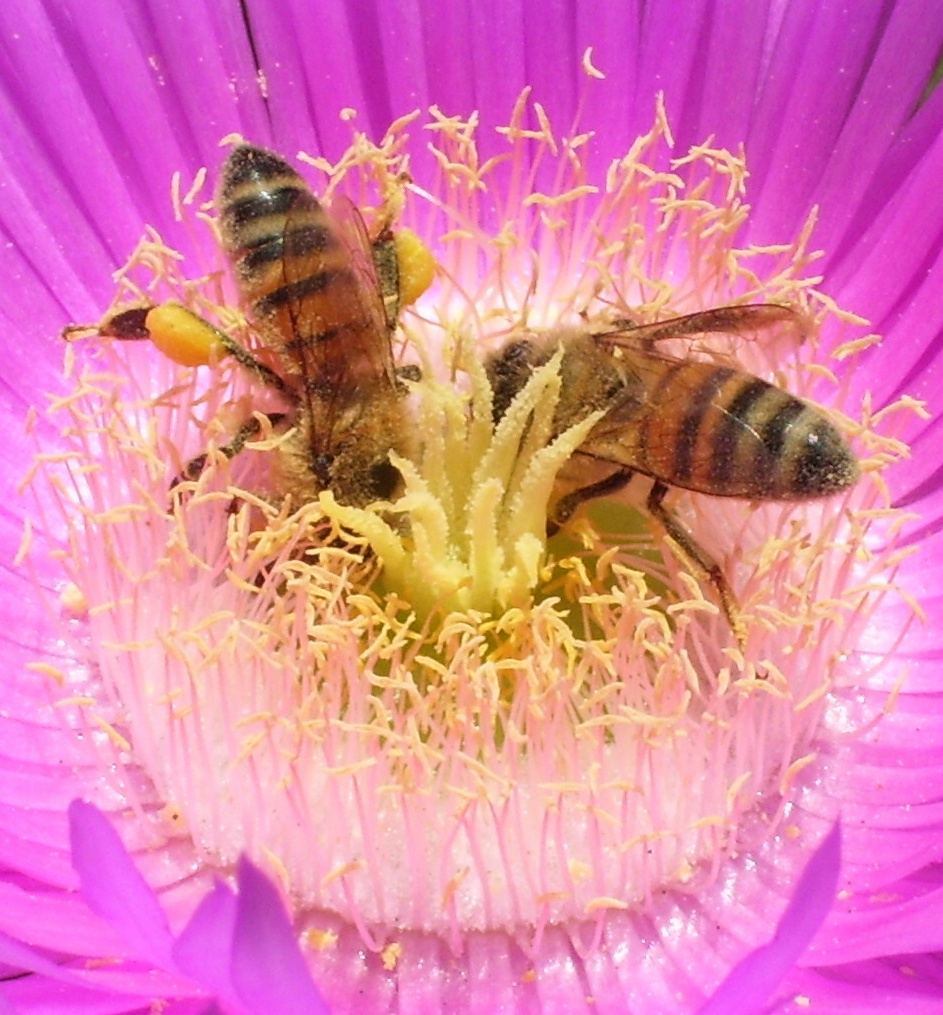
A honeybee colony’s winter is decided in autumn. Beekeepers say the hives that emerge strong in spring are usually those that entered the cold season with a young, productive queen, plenty of stored honey and pollen, and low levels of the parasites and diseases that weaken bees. Winter bees are a distinct generation, raised in late summer to live for months rather than weeks, keeping the cluster warm and caring for the first brood of the new year. Inspections in autumn therefore matter enormously: problems found then can sometimes be corrected with feeding, treatment or combining weak colonies, while the same problems discovered in January are usually beyond help. Associations run autumn workshops for new keepers for exactly this reason, since first-year mistakes in preparation are common and, fortunately, mostly avoidable with timely advice.
What the Evidence Shows
Good winter preparation is mostly quiet husbandry. Keepers check that roofs are sound and entrances protected from mice and driving rain, that hives are sheltered from wind yet able to shed damp, and that stores are sufficient without disturbing the cluster in deep cold. They also record which colonies thrive, since breeding from resilient local stock is a long-term answer to many pressures bees face. Researchers studying colony losses emphasise that there is rarely a single cause: weather, forage, parasites and management interact. That is why experienced beekeepers resist simple explanations and focus on the controllable factors. A well-prepared hive in autumn is, in effect, a promise kept until spring. By spring, the results of that autumn work are written plainly in the apiary, in colonies that build up fast and fill the first warm days with flight. Reporting and analysis from sources such as National Science Foundation track the same developments, and specialists following honeybee colony health through winter say the direction is now consistent across independent lines of evidence.
The Wider Context
The wider context is a research landscape in which replication and open data now decide reputations. Findings connected to honeybee colony health through winter are being checked by independent groups with shared datasets, and the teams involved publish their methods in full so rivals can test every step. That discipline is slower than a headline cycle, but it is why results in this area increasingly survive first contact with scrutiny.
What Happens Next
What happens next in the story of honeybee colony health through winter will be decided by follow-up work already under way: larger samples, longer observation and instruments that have not yet come online. The researchers involved are unusually united on one point, that the current results justify the next investment of time and money. Readers will not have to wait long for the first tests of that claim. You can follow related developments in our coverage of science.
There is a practical lesson in all of this for readers deciding what to do today. Start with the verified facts, be wary of anyone promising certainty, and prefer reversible steps while the evidence is still developing. Circumstances differ by country, income and personal situation, so general guidance should always be weighed against your own context before you act on it in any significant or lasting way.
