

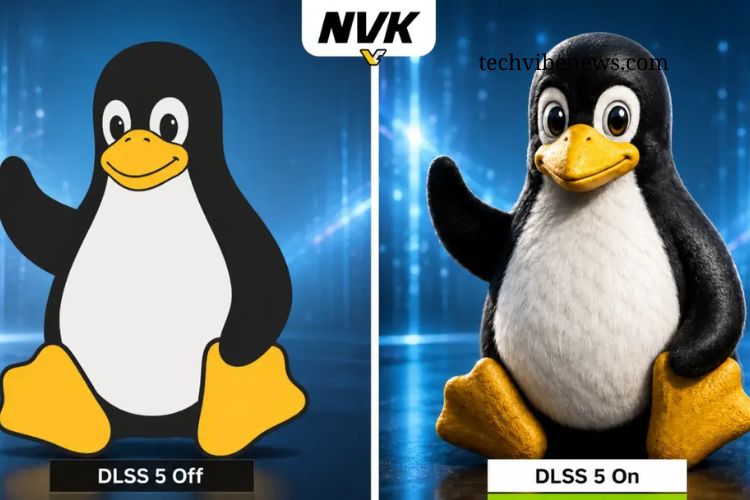
Linux gaming continues to evolve rapidly as open-source graphics technologies become more advanced and capable. A major development has now arrived for Linux users and gamers as NVIDIA DLSS support has been integrated into the open-source NVK Vulkan driver, which is part of the Mesa graphics stack. This update represents an important milestone for improving gaming performance on Linux systems and expanding compatibility with modern graphical technologies.
The required code has been merged into Mesa 26.2-devel, allowing NVK to begin handling games that use NVIDIA’s Deep Learning Super Sampling (DLSS) technology through Linux and Steam Play. While the feature is still considered experimental, its arrival highlights significant progress in bringing advanced GPU features to open-source drivers.
Read More: Shocking Blow: Three Apple Stores Across the U.S. Permanently Close Their Doors Today
A New Era for Linux Graphics Performance
NVIDIA DLSS has become one of the most recognized technologies in modern gaming. It uses artificial intelligence and machine learning techniques to improve image quality while increasing frame rates. By rendering games at a lower internal resolution and using AI-based upscaling, DLSS allows players to achieve smoother gameplay without demanding as much from their graphics hardware.
For years, Linux gamers relying on open-source drivers have faced limitations when accessing some of the latest GPU features. The arrival of DLSS support in NVK could help reduce that gap by providing better performance options for users running NVIDIA graphics cards on Linux platforms.
The NVK driver is designed to provide an open-source Vulkan implementation for NVIDIA GPUs. Developed as part of the Mesa project, NVK aims to offer a modern alternative for Linux users who want open graphics drivers instead of relying entirely on proprietary solutions.
What NVK DLSS Support Means for Linux Gamers
The integration of DLSS support into NVK could bring several benefits to the Linux gaming community. Many popular PC games now depend on advanced upscaling technologies to deliver higher frame rates, especially at demanding resolutions such as 1440p and 4K.
With experimental DLSS functionality, Linux users may eventually experience improved performance in games that previously struggled under open-source drivers. This development could also strengthen compatibility with gaming platforms such as Steam Play and Proton, which allow Windows-based games to run on Linux.
Although the feature is not yet fully mature, its inclusion in Mesa development shows that open-source graphics drivers are becoming more competitive. Future improvements could make DLSS support more stable, reliable, and widely available.
DLSS Support Does Not Mean NVIDIA Has Open-Sourced Its Technology
A common misunderstanding surrounding this announcement is that NVIDIA has released DLSS as an open-source technology. However, that is not the case.
NVIDIA’s DLSS technology remains proprietary. The company continues to control the core components behind its AI-powered upscaling system. The addition of DLSS support in NVK does not mean that the underlying DLSS technology has become freely available or open-source.
Instead, the development focuses on enabling compatibility between NVIDIA hardware features and the open-source NVK Vulkan driver. This allows Linux systems to communicate more effectively with NVIDIA GPUs while still keeping NVIDIA’s proprietary technology separate.
This distinction is important because open-source driver development often involves creating compatibility layers and supporting existing hardware features without gaining access to the original source code.
Why This Update Matters for Open-Source Drivers
Open-source graphics drivers have improved significantly over the past decade. Projects like Mesa have played a major role in advancing Linux graphics support by providing drivers that work across different hardware platforms.
The addition of DLSS support to NVK demonstrates how far open-source NVIDIA driver development has progressed. In the past, Linux users often depended on NVIDIA’s proprietary drivers for the best performance. However, projects like NVK are creating new possibilities for users who prefer open-source solutions.
Improved support for advanced gaming features could encourage more gamers, developers, and technology enthusiasts to consider Linux as a serious gaming platform.
Challenges Ahead for NVK DLSS Integration
Despite the excitement surrounding this update, several challenges remain before NVK DLSS support becomes widely adopted.
The feature is currently experimental, meaning users may encounter bugs, compatibility problems, or inconsistent performance. Additional testing and development will be required before it reaches a stable state suitable for everyday gaming.
Game compatibility is another important factor. Not every title that supports DLSS will immediately work perfectly through NVK. Developers will need time to optimize the implementation and address potential issues with different games and hardware configurations.
Performance comparisons between NVK and NVIDIA’s official proprietary drivers will also determine how attractive this solution becomes for Linux users. While open-source support is valuable, gamers still expect strong performance and reliability.
The Growing Importance of Linux Gaming
Linux gaming has experienced significant growth in recent years. Improvements in compatibility tools, better hardware support, and platforms like Steam Deck have helped introduce more players to Linux-based gaming environments.
Technologies such as Vulkan, Proton, and open-source graphics drivers have played a crucial role in this transformation. The addition of DLSS support to NVK represents another step toward making Linux gaming more accessible and powerful.
As hardware manufacturers and open-source communities continue working together, Linux users can expect more advanced features and better overall experiences in the future.
NVIDIA and the Future of Open Graphics Development
NVIDIA’s relationship with the Linux community has changed significantly over time. While the company historically relied heavily on proprietary drivers, recent developments have shown increasing cooperation with open-source projects.
Support for technologies like NVK demonstrates the growing importance of collaboration between hardware companies and open-source developers. As GPUs become more advanced, providing strong Linux support will remain an important priority for both manufacturers and users.
Future updates could expand NVK capabilities beyond DLSS, bringing additional features and improved performance to NVIDIA graphics cards running on Linux.
Frequently Asked Questions:
What does NVIDIA DLSS support in the NVK Vulkan driver mean for Linux users?
NVIDIA DLSS support in the NVK Vulkan driver means Linux users may soon benefit from improved gaming performance through AI-powered upscaling technology. This integration allows compatible games to use DLSS features while running through open-source NVIDIA graphics drivers.
What is the NVK Vulkan driver?
NVK is an open-source Vulkan driver developed as part of the Mesa graphics project. It provides Linux support for NVIDIA GPUs and aims to offer an alternative to NVIDIA’s proprietary graphics drivers.
Has NVIDIA made DLSS open source?
No, NVIDIA has not open-sourced DLSS. The technology remains proprietary, and the NVK update only adds compatibility support for DLSS-enabled games through an open-source driver environment.
How does DLSS improve gaming performance?
DLSS uses artificial intelligence and machine learning algorithms to upscale lower-resolution images into higher-quality visuals. This process reduces GPU workload while helping games achieve higher frame rates and smoother performance.
Is NVIDIA DLSS support in NVK available for all Linux gamers?
Not yet. The feature is currently experimental and available through Mesa 26.2-devel. More testing and development are needed before it becomes stable for everyday use.
Will all DLSS-supported games work with the NVK driver?
No. Compatibility will depend on the game, hardware configuration, and future driver improvements. Some DLSS-enabled titles may require additional updates before working properly with NVK.
Does NVK DLSS support replace NVIDIA’s official Linux drivers?
No. NVIDIA’s proprietary drivers will continue to provide official support and optimized performance. NVK is an open-source alternative designed to improve Linux compatibility and flexibility.
Conclusion
NVIDIA DLSS support arriving in the open-source NVK Vulkan driver marks a significant advancement for Linux gaming and graphics development. Although the feature is still experimental, its integration into Mesa represents a promising step toward delivering better performance, improved compatibility, and more advanced gaming features for NVIDIA GPU users on Linux. This update does not mean NVIDIA has opened the source code of DLSS, but it demonstrates how open-source projects can continue expanding hardware support while working alongside proprietary technologies. As developers refine NVK and improve stability, Linux users could experience a more powerful and flexible gaming environment.