

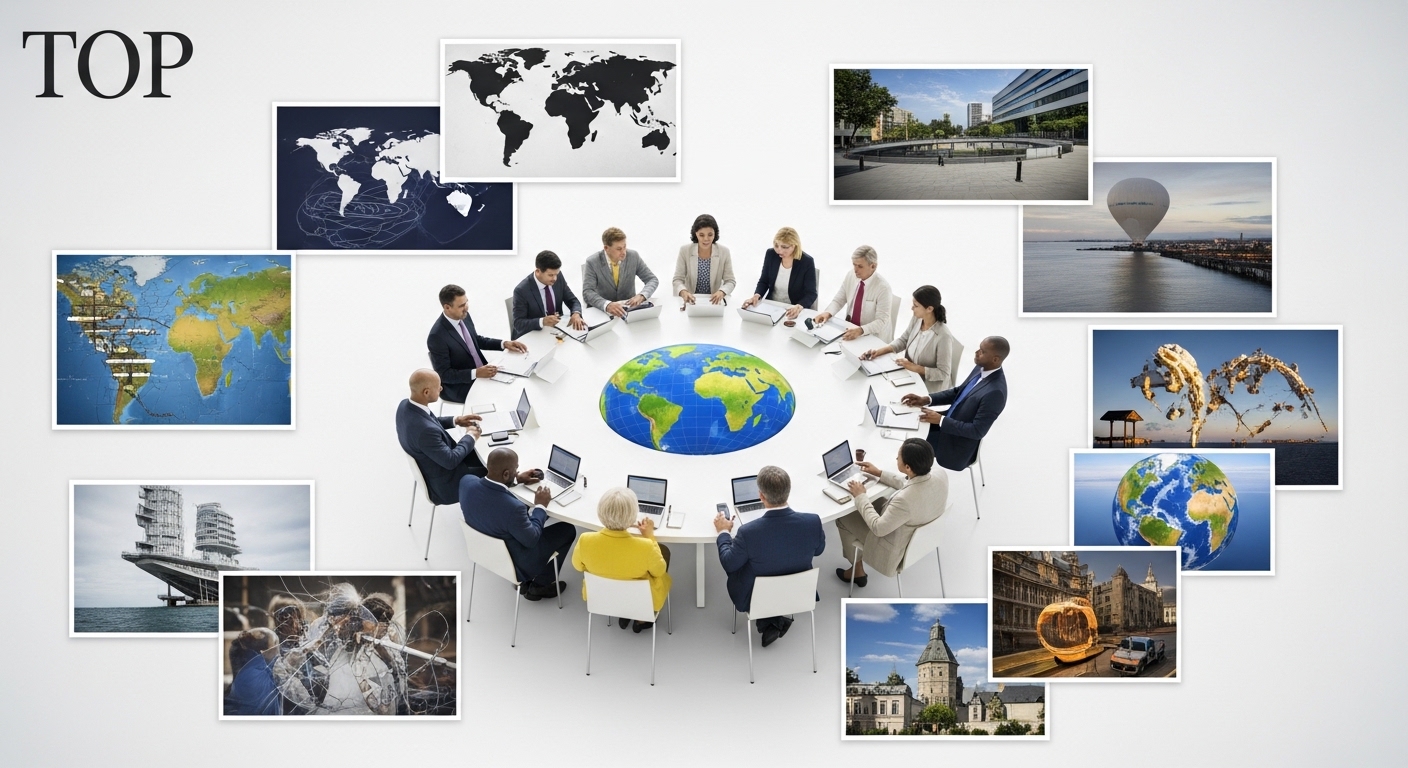
Global developments across the world are rapidly reshaping political systems, economies, technology, and societies. In 2026, nations are facing interconnected challenges and opportunities driven by digital transformation, climate urgency, and shifting global power structures. These changes are influencing international cooperation, economic strategies, and long-term development paths across all regions worldwide.
Geopolitical Power Shifts
Multipolar Global Order
The world is moving toward a multipolar structure where multiple countries share global influence. This shift is changing alliances, trade relationships, and diplomatic strategies as emerging powers gain stronger roles in shaping international policies and global decision-making systems across regions and continents today globally.
Regional Alliances Strengthening
Countries are forming stronger regional alliances to improve security, trade cooperation, and political stability. These partnerships help nations respond more effectively to shared challenges such as economic uncertainty, migration pressures, and geopolitical tensions affecting global stability and international relations worldwide.
Conflict And Security Dynamics
Regional conflicts continue to influence global security, energy markets, and humanitarian conditions. Governments and organizations are working through diplomatic channels and peace initiatives to reduce escalation risks and promote stability in politically sensitive regions across the world today.
Global Institution Influence
International organizations play a growing role in managing crises, supporting development, and coordinating global policies. These institutions help mediate disputes, provide humanitarian aid, and encourage cooperation among countries facing shared global challenges and economic pressures worldwide.
Leadership Transition Effects
Political leadership changes across nations are reshaping domestic policies and international relations. Elections and governance shifts influence economic strategies, foreign policy decisions, and global partnerships, creating new directions in international diplomacy and political engagement worldwide today.
Technology and Digital Transformation
Artificial Intelligence Expansion
Artificial intelligence is transforming industries by improving automation, decision-making, and data analysis. AI systems are being integrated into healthcare, finance, education, and business operations, increasing efficiency and productivity while reshaping how organizations function in a digital global economy today.
Cybersecurity Challenges Rise
Cybersecurity threats are becoming more advanced, targeting governments, businesses, and individuals. Organizations are investing in stronger digital protection systems, encryption technologies, and AI-based security tools to defend against increasing cyberattacks and data breaches worldwide today.
Smart City Development
Cities are adopting smart technologies to improve transportation, energy use, and public services. These systems rely on sensors, data analytics, and automation to create more efficient, sustainable, and connected urban environments for growing populations globally today.
Digital Governance Systems
Governments are implementing digital platforms to improve public services, transparency, and efficiency. E-governance systems enable citizens to access services online while reducing administrative delays and improving accountability in modern administrative structures worldwide today effectively.
Space Technology Growth
Space exploration is expanding through government missions and private companies developing satellites, communication systems, and research programs. These advancements improve global connectivity, scientific discovery, and technological innovation across multiple industries and international collaborations today.
Global Economic Changes
Inflation And Interest Trends
Inflation and changing interest rates are impacting global economies by influencing consumer spending, investment decisions, and borrowing costs. Central banks are adjusting monetary policies to stabilize markets and support economic growth in uncertain financial environments worldwide today.
Supply Chain Restructuring
Global supply chains are being redesigned to improve resilience and reduce dependency on single regions. Businesses are diversifying suppliers and adopting digital logistics systems to manage risks caused by geopolitical tensions and global disruptions more effectively today.
Digital Economy Growth
The digital economy is expanding through e-commerce, fintech, and online services. Businesses are increasingly relying on digital platforms to reach customers, streamline operations, and create new revenue streams across global markets and industries worldwide today.
Emerging Market Expansion
Developing economies are experiencing strong growth due to industrial development, technology adoption, and foreign investment. These markets are becoming important drivers of global economic expansion and international trade relationships across multiple regions worldwide today.
Sustainable Investment Rise
Investors are increasingly focusing on environmental, social, and governance factors when making financial decisions. Sustainable investment strategies are shaping corporate behavior and encouraging long-term economic responsibility across global financial markets and institutions worldwide today.
Climate and Environmental Action
Renewable Energy Adoption
Countries are rapidly increasing investment in renewable energy sources such as solar and wind power. These efforts aim to reduce carbon emissions, improve energy security, and support long-term environmental sustainability across global energy systems worldwide today.
Climate Policy Development
Governments are strengthening climate policies to address global warming and environmental degradation. International agreements and national regulations are guiding efforts to reduce emissions and promote sustainable development across industries and economies worldwide today effectively.
Environmental Risk Planning
Organizations are incorporating environmental risks into strategic planning to prepare for climate-related disruptions. This includes managing resource shortages, extreme weather events, and long-term ecological challenges affecting global business and governance systems worldwide today.
Biodiversity Protection Efforts
Conservation initiatives are expanding to protect wildlife, ecosystems, and natural habitats. These efforts aim to preserve biodiversity while balancing economic development and environmental sustainability across global ecological systems and protected regions worldwide today.
Sustainable Urban Growth
Cities are adopting eco-friendly infrastructure, green buildings, and efficient transportation systems. These developments aim to reduce pollution, improve living standards, and support sustainable urbanization in rapidly growing metropolitan areas worldwide today.
Healthcare and Scientific Innovation
AI In Healthcare Systems
Artificial intelligence is improving healthcare by enhancing diagnostics, treatment planning, and patient monitoring. AI-driven systems help doctors make faster and more accurate decisions, improving medical outcomes across global healthcare institutions and research facilities worldwide today.
Biotechnology Advancements
Biotechnology is enabling breakthroughs in genetic engineering, disease treatment, and personalized medicine. These innovations are improving healthcare outcomes and supporting the development of advanced therapies for complex medical conditions globally today.
Global Health Preparedness
Countries are strengthening healthcare systems to respond effectively to pandemics and emerging health threats. Investments in medical infrastructure, research, and emergency response systems are improving global health security and resilience worldwide today.
Digital Health Expansion
Telemedicine and digital health platforms are expanding access to healthcare services. Patients can now consult doctors remotely, improving convenience and accessibility, especially in rural and underserved regions across global healthcare systems today.
Scientific Collaboration Growth
International scientific collaboration is accelerating research in medicine, climate science, and technology. Shared knowledge and resources are helping solve complex global challenges through cooperative innovation across research institutions worldwide today effectively.
Social and Cultural Transformation
Digital Communication Growth
Digital platforms are transforming how people communicate, share information, and connect globally. Social media and messaging applications are influencing culture, politics, and daily interactions across interconnected societies worldwide today.
Education System Evolution
Education systems are shifting toward digital learning, AI-based tools, and skill-focused training. These changes are preparing students for future job markets influenced by technology and global economic transformation worldwide today.
Mental Health Awareness
Awareness of mental health is increasing globally, leading to improved support systems and wellness programs. Societies are prioritizing emotional well-being as part of overall health in modern living environments worldwide today.
Cultural Globalization Trends
Globalization is spreading cultural influences through entertainment, fashion, and media. This exchange is creating more interconnected societies while preserving unique local traditions and identities across global communities worldwide today.
Urban Lifestyle Changes
Urban living is evolving through smart infrastructure, remote work trends, and sustainable practices. Cities are adapting to modern demands by improving efficiency, connectivity, and quality of life for residents worldwide today.
Future Global Outlook
AI Driven World Systems
Artificial intelligence is expected to become central to global systems, influencing governance, business, and daily life. AI integration will reshape economies and societies through automation and intelligent decision-making worldwide today.
Sustainability Focus Economy
Future global growth will depend on balancing economic development with environmental sustainability. Countries are prioritizing green policies and responsible resource management for long-term stability and progress worldwide today.
Hyper Connected Global Society
Advances in communication technology are creating a highly connected global society. People, businesses, and governments are increasingly linked through digital networks that enable faster collaboration and information sharing worldwide today.
Innovation Led Development
Technological innovation is driving economic and industrial transformation across all sectors. Continuous research and development are creating new opportunities for growth, efficiency, and global competitiveness worldwide today.
Global Cooperation Importance
International cooperation is becoming essential for addressing shared challenges such as climate change, security, and economic instability. Collaborative efforts are shaping a more resilient and interconnected global future worldwide today.
FAQs
What are top global developments today?
They include AI growth, geopolitical shifts, climate action, and economic transformation.
Why is AI important globally?
It improves efficiency, automation, and decision-making across industries.
How is climate change affecting the world?
It is driving policy changes and renewable energy adoption.
What is a multipolar world?
A system where multiple countries share global influence.
Why is global cooperation important?
It helps solve shared challenges like climate and security.
Conclusion
Top global developments show a world rapidly evolving through technology, economic change, environmental action, and political transformation. Nations are becoming more interconnected and interdependent as they adapt to shared challenges and opportunities. This ongoing shift is shaping a more digital, sustainable, and cooperative global future driven by innovation and collective progress across all regions.
